
In 2025, the art world is facing a new revolution, and that is “Generative Art”. It is an art form that is generated by computer algorithms. While art was once understood and experienced only by human hands, nowadays new types of art are being created with the help of AI and machine learning. In this blog, we will learn what generative art is in 2025, how it is changing our understanding of art, and why it is going to be an important part of art and design in the future.
What is generative art?
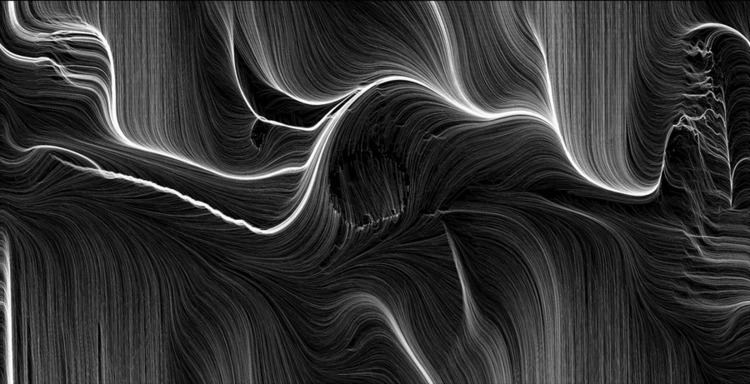
Generative art is art that is generated by computer algorithms. Artists create a basic code or algorithm for this art, and then the computer uses that code to generate the result in the form of art. This process does not depend only on human imagination, but the power and calculation capability of the machine contributes to it.
This art form presents the experience of art in a completely new way. Nowadays we can see people expressing their thoughts and emotions through generative art on digital platforms, which was never possible before.
The Rise of Generative Art in 2025
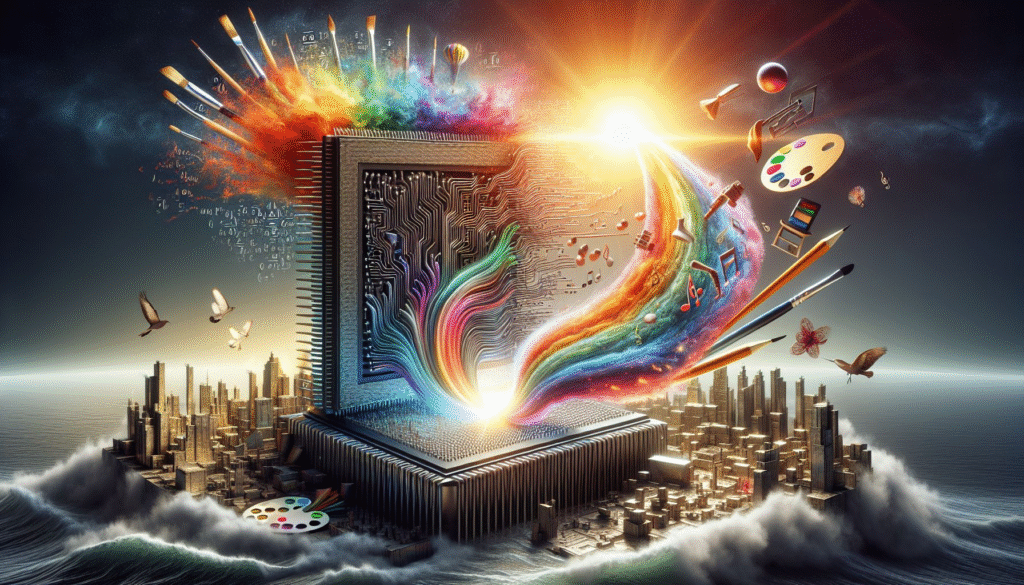
By 2025, the trend of generative art has grown rapidly. The role of technological development and AI is important behind this. Technological developments like machine learning, deep learning, and artificial intelligence (AI) have given new dimensions to art. Now any artist can create unique art works using AI while sitting on his smartphone or laptop.
Moreover, the growing trend of social media and NFTs (Non-Fungible Tokens) has given generative art a new platform, allowing artists to showcase their art globally and also monetise their creations.
Generative art and its impact on the future of art
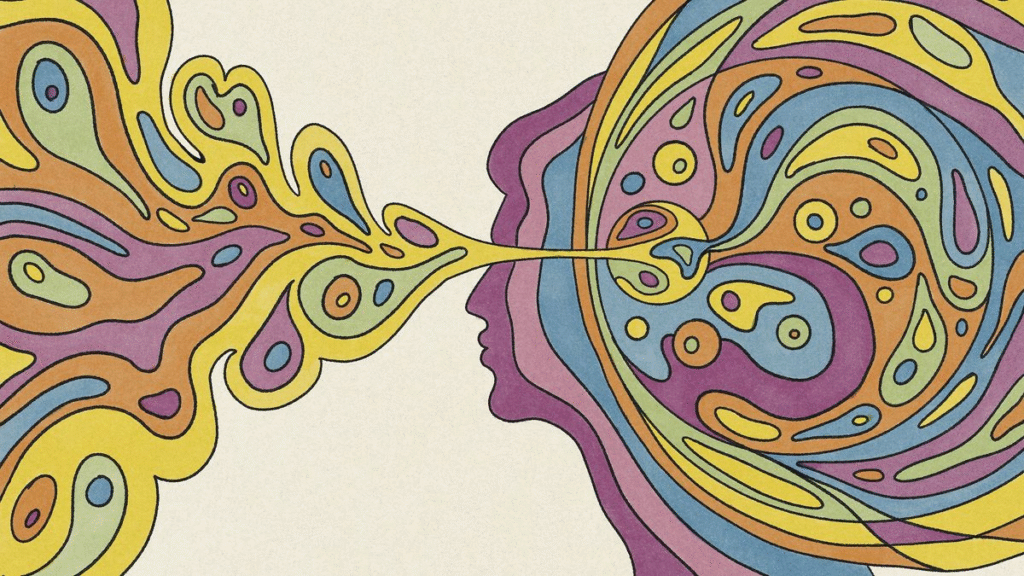
In 2025, generative art has started a new era in the art world. The main reason for this is that it is more interactive and dynamic than traditional art. Where once we were limited to paintings or sculptures, now through generative art we can experience art in a new form.
With the help of AI, artists can now create art that changes in different forms. This can be seen in forms like “Generative Music” and “Generative Text”, in which the art keeps changing according to any time and situation. This makes the art even more personal and customized.
The Social Impact of Generative Art
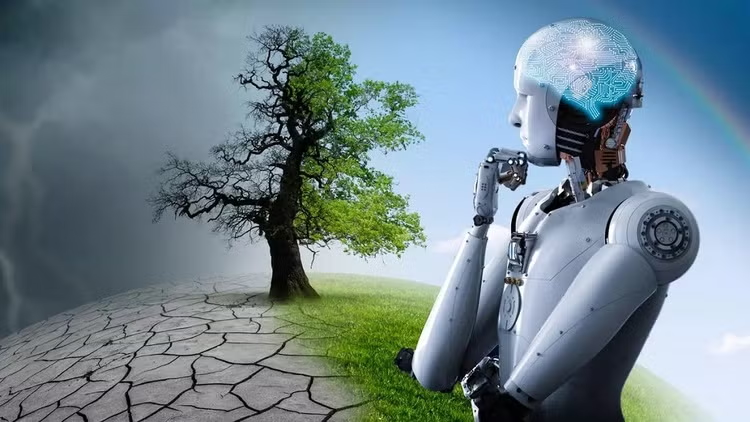
Generative art is not just limited to the art world. Its social impact is also deepening. For example, it helps create a new form of art that does not belong to a particular caste, religion or society. This art can now be accessible and personally relatable to everyone.
This art form promotes diversity and inclusiveness in society. People get a chance to understand that art is not just limited to a specific idea or culture, but it can be a form of expression for everyone.
Generative Art and NFTs
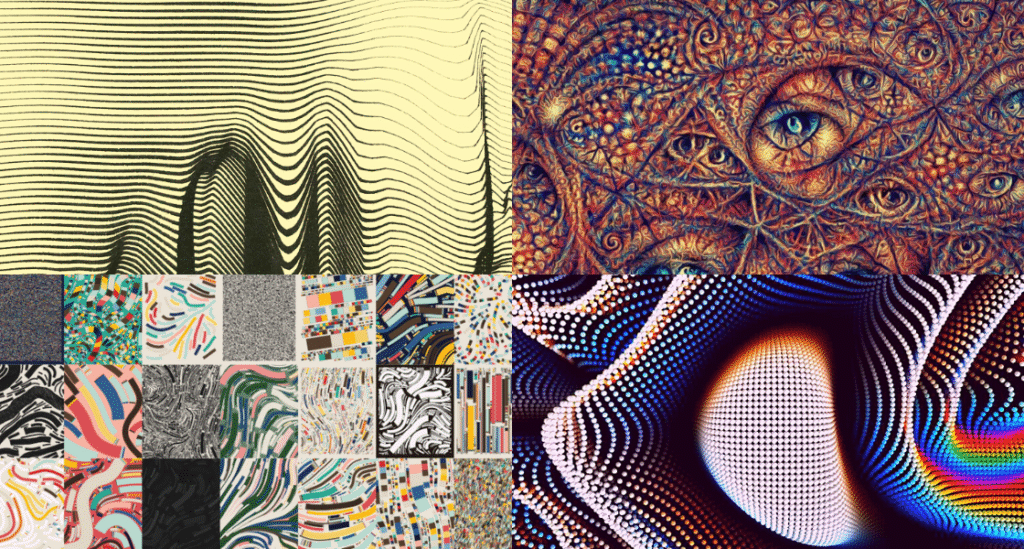
NFTs have provided a new market for generative art. Artists have begun selling and displaying their generative art as NFTs. These are digital proofs of art that provide ownership of a unique and one-of-a-kind piece of art.
NFTs have given a new identity to art, where buying and selling of art is no longer limited to galleries. Now, ownership of generative art can be bought and sold in digital form, and this has taken art to a new height.
Benefits and Challenges of Generative Art
Benefits :
- Infinite possibilities of creativity : There are infinite possibilities of experimentation in generative art. This means that artists can create any kind of art, which was not possible earlier.
- Novelty : Art produced through technological means is unique, and is distinctly different from traditional art.
Challenges :
- Artist Identity : Algorithms play a significant role in generative art, so the question arises whether the real artist is the one who generates the code or the one who creates the final art?
- Technical barriers : Creating generative art requires technical knowledge and equipment that not all artists have.
conclusion
Generative art has emerged as a new trend in the art world in 2025. It has taken art out of traditional art and created art in new directions. Although it also presents some challenges, the creativity and technological power generated by it has given a new form to art. We can say that the future of art is going to be even more interesting with the growing influence of generative art.
Disclaimer : The information provided in this blog is for general guidance only and should not be construed as personal advice.
#GenerativeArt #AIart #DigitalArt #NFTs #ArtRevolution #2025Trends #CreativeFuture #TechInArt#carrebook #anslation